How Regular Trailer Suspension Checks Prevent Costly Repairs
When it comes to towing heavy loads, your trailer’s suspension system takes the brunt of the stress. Every mile traveled puts pressure on springs, shackles, axles, and other suspension components. Over time, this wear and tear can lead to uneven tire wear, unstable handling, and ultimately, costly repairs if problems aren’t caught early.
In this blog, we’ll explore how routine trailer suspension inspections can prevent expensive damage, highlight common problem areas, and provide a practical checklist to help you stay ahead of potential issues.
How Towing and Loads Stress Trailer Suspension Components
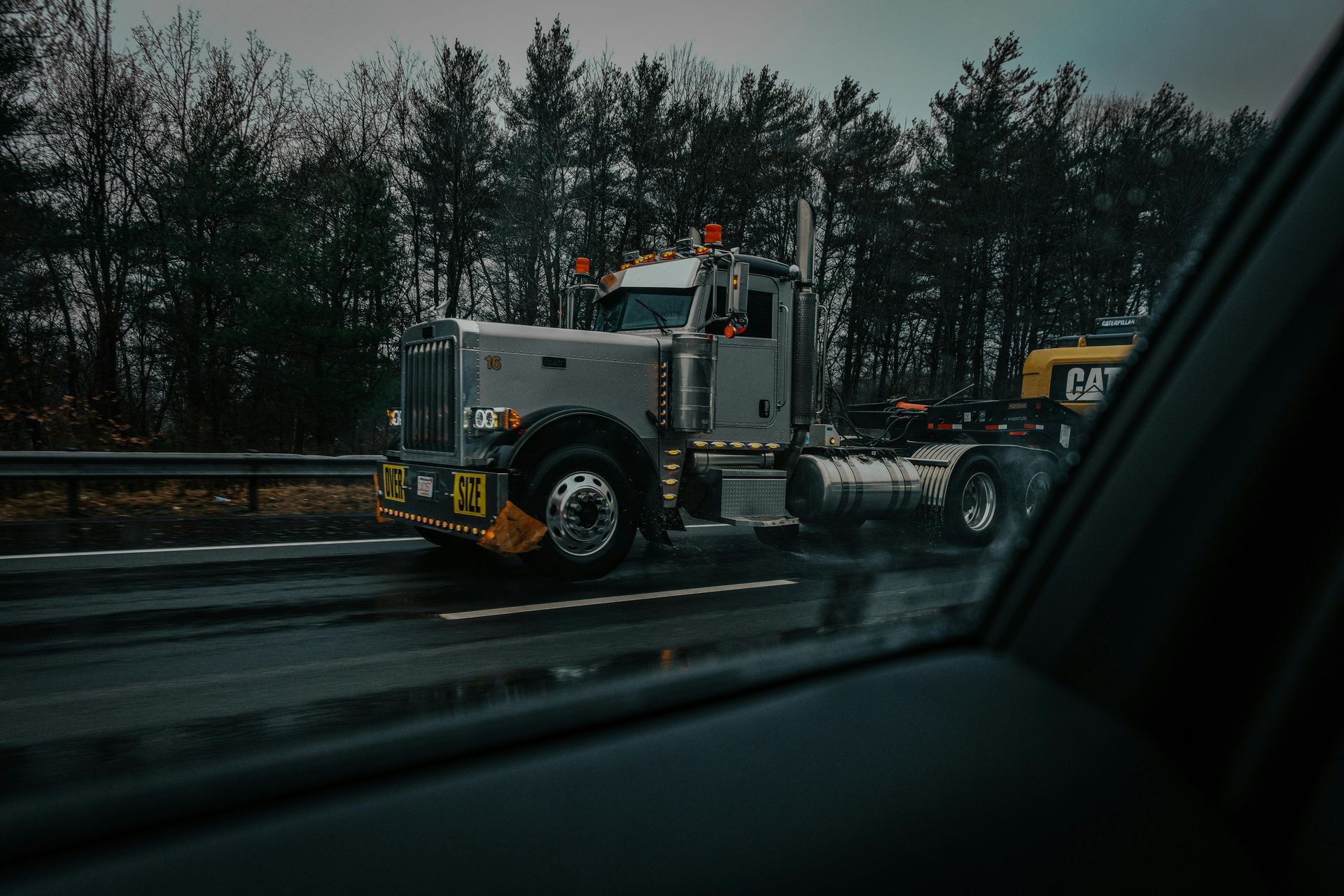
Trailer suspension systems are designed to absorb shocks and maintain stability while carrying heavy loads. However, every load you tow increases stress on springs, axles, and other suspension components. Rough roads, potholes, and uneven terrain amplify this stress, leading to metal fatigue and gradual wear.
Even moderate loads can create stress points in specific areas, such as shackles and bolts, particularly during frequent use or long-distance towing. Stop-and-go traffic, emergency braking, and cornering place repeated strain on mounting points, while temperature fluctuations cause expansion and contraction that can loosen fasteners over time.
This constant flexing and compression can create microscopic fractures that gradually weaken the metal structure, making early detection through regular inspections essential to prevent costly or catastrophic failures.
How Load Distribution Impacts Suspension
Proper load distribution plays a crucial role in prolonging suspension life. Heavy items should be stored low and centered to reduce strain, and tongue weight should be carefully monitored to avoid overloading the hitch.
Uneven load distribution can accelerate wear on springs, shackles, and axles, leading to instability, uneven tire wear, and potential accidents. Paying attention to how your trailer is loaded before every trip helps protect suspension components and ensures smoother handling.
The Importance of Trailer Suspension for Safety
A healthy trailer suspension is essential for safe towing. Worn springs, misaligned axles, or loose components compromise handling, making braking, lane changes, and turns less predictable. Ignoring these issues can lead to trailer sway, jack-knifing, or tipping, putting both the driver and others on the road at risk.
Regular inspections and timely maintenance prevent minor problems from becoming major hazards. By addressing wear early, you protect cargo and passengers, reduce costly repairs, and ensure smoother, more stable towing.
Understanding Component Lifespan and Replacement Intervals
Each suspension component has a typical lifespan, influenced by load, road conditions, and maintenance. Springs may last anywhere from 5 to 15 years depending on usage, while shackles, bushings, and bolts can wear more quickly if exposed to moisture, corrosion, or heavy loads. Axles are generally durable but can weaken over time due to repeated stress or improper load distribution.
By performing routine inspections and monitoring component condition, you can identify worn parts before they fail, preventing costly repairs and downtime. Using this knowledge to proactively replace components ensures your trailer remains stable, safe, and reliable for every trip. Regular maintenance and the timely replacement of suspension parts also reduce the risk of accidents and help prolong the overall life of your trailer.
Common Wear Areas
Trailer suspensions have several components prone to wear and tear. Recognizing these areas is key to preventing costly repairs:
- Springs: Leaf springs and coil springs absorb most of the load’s weight. Cracks, sagging, or broken leaves can drastically reduce stability. Look closely for stress fractures that may develop between individual leaves, as these aren't always immediately apparent.
- Shackles and hangers: These parts connect the springs to the trailer frame. Rust, loose bolts, or worn bushings can cause misalignment and uneven load distribution. The bushings are particularly vulnerable to deterioration from road salt and moisture.
- Axles: The axle supports the trailer’s weight and ensures smooth rolling. Bent, cracked, or worn axles can lead to wobbling, uneven tire wear, and dangerous handling. Axle misalignment often results from overloading, uneven loads, or impact from potholes or curbs.Bolts and fasteners: Suspension bolts loosen over time from vibrations and heavy use. Missing or damaged bolts can compromise the entire system. Critical mounting bolts should be checked with a torque wrench to be sure they are tightened to the manufacturer’s specifications.
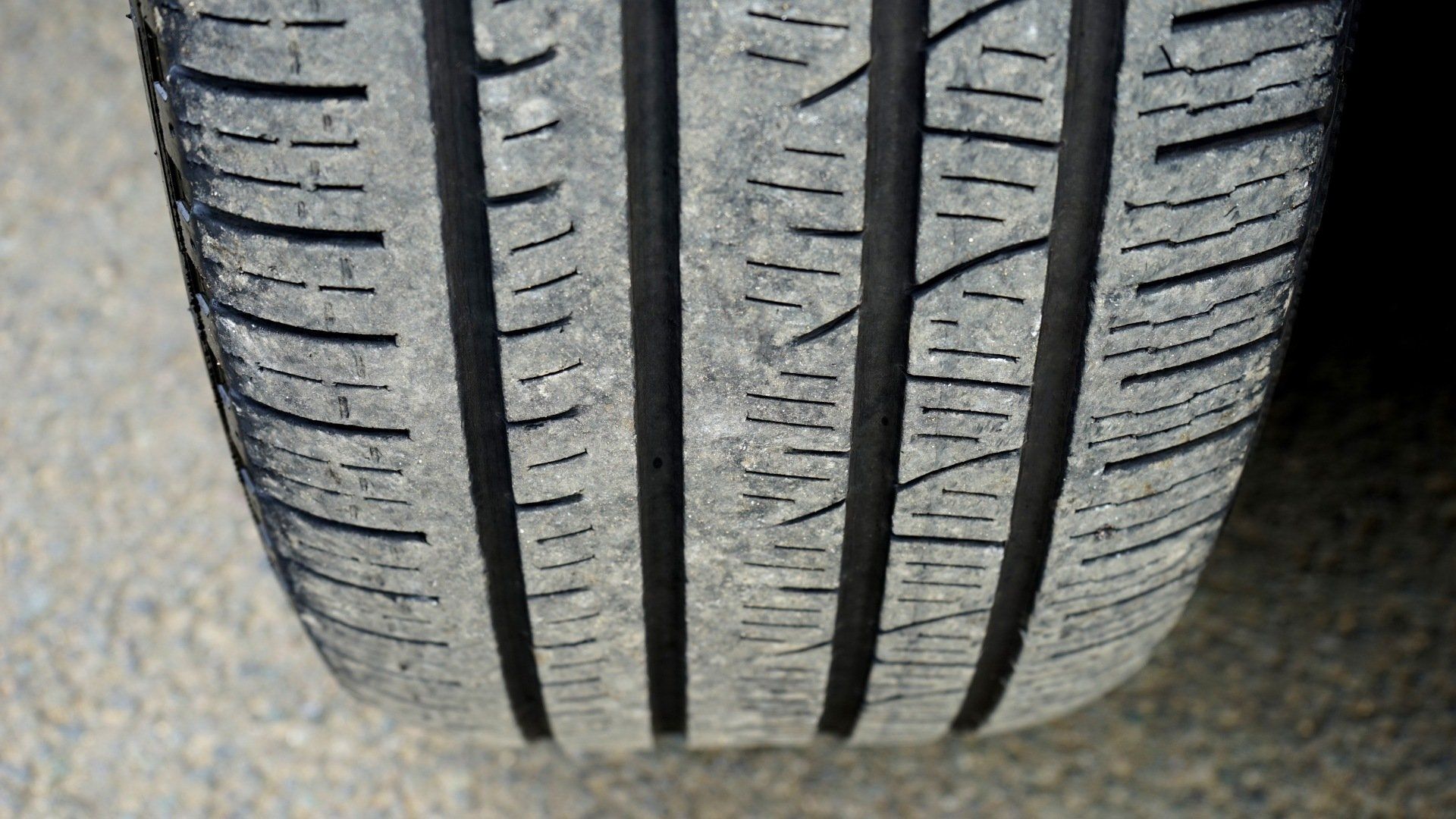
- Tires and wheels: Uneven tire wear often indicates suspension issues. Regular tire checks can reveal early problems before they escalate. Pay special attention to wear patterns like cupping or feathering, which signal specific alignment problems.
Regular inspection of these wear-prone components will allow you to identify issues early and prevent extensive damage.
Routine Suspension Inspection Checklist
Conducting regular suspension inspections can save money and keep your trailer safe on the road. Here’s a practical checklist:
- Visual inspection: Check for cracks, rust, or damage on springs, shackles, axles, and fasteners.
- Check bolts and fasteners: Ensure all bolts are tight and in good condition. Replace any that are missing or worn.
- Examine bushings: Look for worn or cracked bushings in shackles and hangers.
- Check axle alignment: Misaligned axles can cause uneven tire wear and reduce stability.
- Tire inspection: Inspect tires for uneven wear, cracks, or bald spots. Uneven wear often signals suspension issues.
- Bounce test: Push down on the trailer’s corners and observe how it rebounds. Excessive bounce indicates worn springs or shocks. A properly functioning suspension should return to position within one or two oscillations.
- Listen for noises: Squeaks, clunks, or rattles while driving can be early warning signs of suspension problems. Squeaking often points to dry bushings, while clunking suggests loose bolts or worn shackles.
Perform this checklist regularly: monthly for frequent haulers, or at least before long trips. If your inspections reveal any persistent issues, consider contacting a truck trailer repair specialist to ensure safety and performance.
Preventive Maintenance Tips Beyond Inspections
Beyond regular checks, there are simple steps to prolong suspension life. Lubricating shackles, bushings, and pivot points prevents wear and corrosion. Tighten bolts periodically and replace any that are damaged.
Monitoring tire pressure, inspecting for rust on the frame, and cleaning suspension components of road debris all contribute to better performance. Also, check for grease or lubricant buildup, as it can attract debris and accelerate wear. These small actions reduce repair costs and improve towing safety.
Seasonal maintenance is also crucial. Exposure to road salt, rain, or off-road conditions accelerates corrosion and wear. Performing inspections at the start of each season ensures components remain protected and functional.
Early Warning Signs of Suspension Failure
Uneven tire wear, particularly when one side wears faster than the other, often signals misaligned or worn suspension components. Excessive bouncing over bumps can indicate worn springs or shocks, which affects ride stability and comfort.
Other warning signs include a trailer that drifts or pulls to one side, which may reflect suspension misalignment or uneven load distribution. Noises such as clunks, squeaks, or rattling while driving can point to loose bolts, worn bushings, or failing springs. Additionally, a trailer that sits lower on one side may suggest a broken spring or weakened shackle. Recognizing these issues early allows you to take action before they lead to more serious damage or costly repairs.
When to Get Professional Suspension Servicing
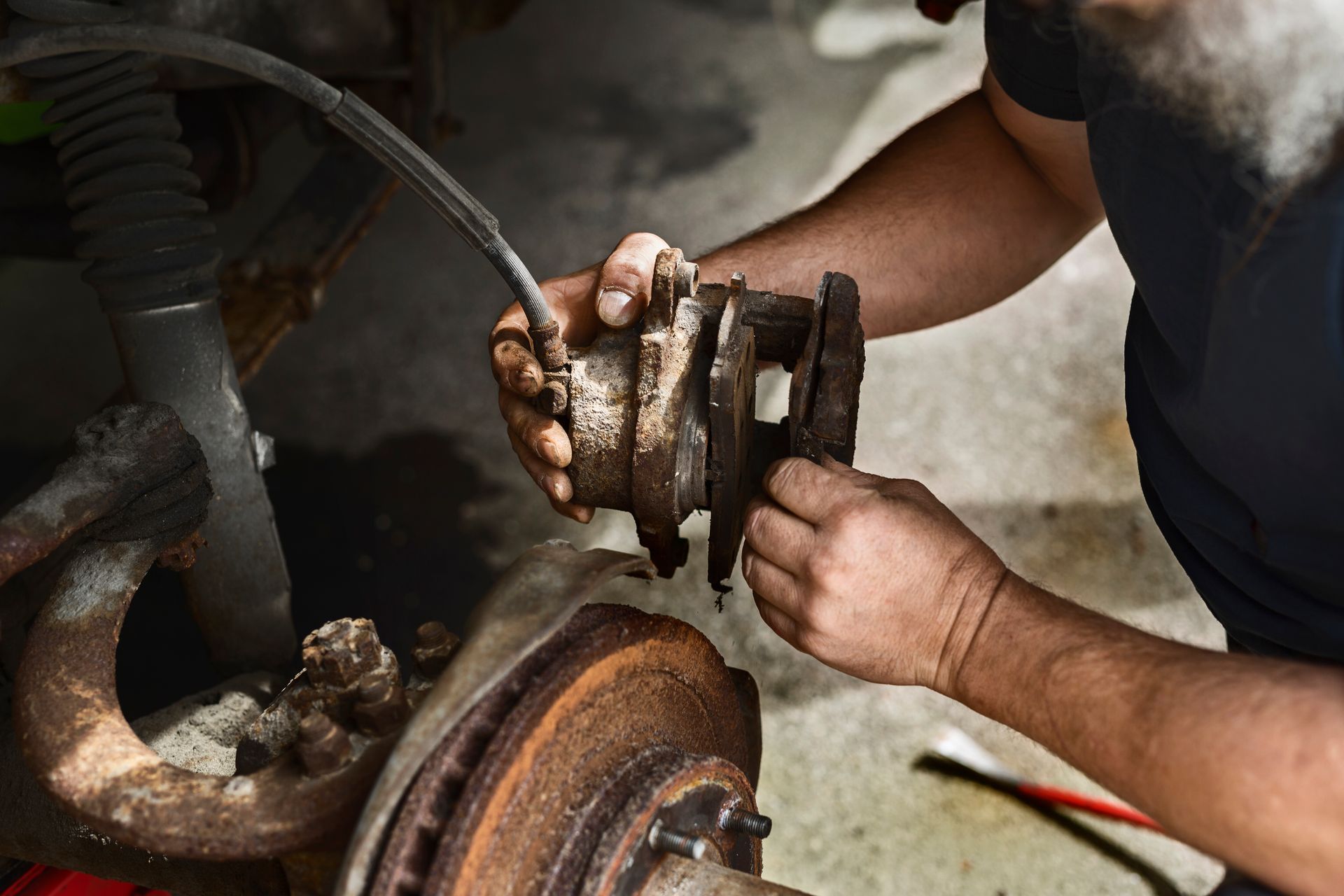
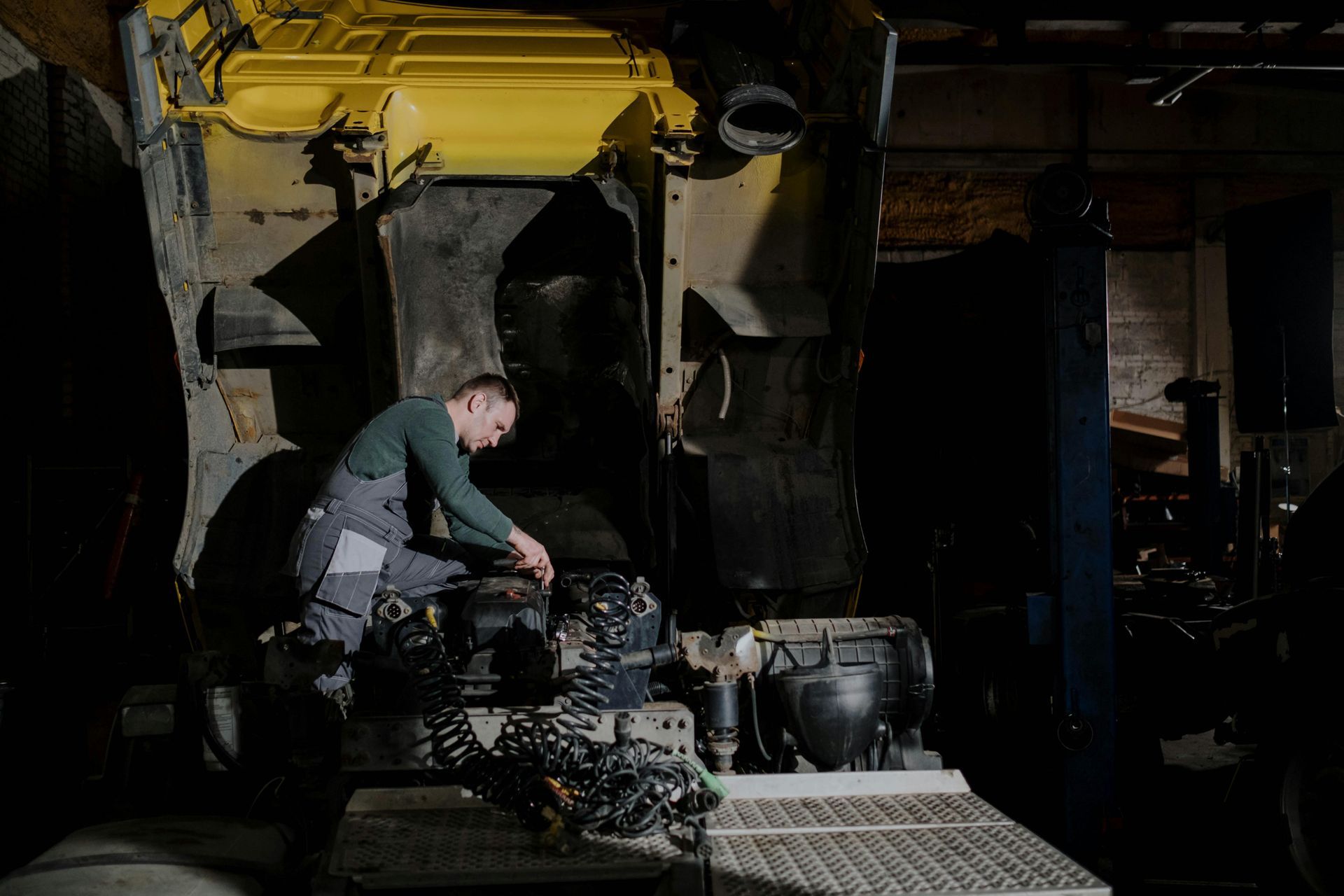
Some routine checks can be performed by trailer owners, but certain issues require professional attention. If you notice any warning signs or if your trailer has been heavily used, it’s wise to schedule a professional inspection. A trained technician can replace worn or broken springs, shackles, and bushings safely.
Professionals can also realign axles, tighten or replace bolts, inspect for hidden structural damage, and recommend preventive maintenance. Professional truck trailer repair services can address everything from worn springs to axle realignment, giving you peace of mind on the road.
Maintenance Log and Record-Keeping
Maintaining detailed records of your trailer's suspension maintenance is essential for long-term reliability and cost management. A comprehensive maintenance log should include inspection dates, mileage readings, component conditions, repairs performed, and parts replaced. This will help you track wear patterns over time and protect warranty coverage by providing proof of regular maintenance.
These detailed records also allow technicians to quickly understand your trailer's history and identify recurring issues more efficiently. This proactive approach ensures your trailer remains safe and reliable while helping you make informed decisions about maintenance timing and budgeting.
Key Trailer Suspension Insights at a Glance
Regular trailer suspension checks are an investment in your trailer’s reliability and your safety on the road. Inspecting springs, shackles, axles, and tires consistently helps catch small issues before they escalate into costly repairs. Keeping a maintenance log of inspections, repairs, and mileage allows you to track wear patterns, protect warranties, and spot recurring problems early.
Proactive maintenance improves towing stability, ride quality, and the longevity of your trailer. Simple steps like lubricating pivot points, tightening bolts, monitoring load distribution, and performing seasonal checks combine to prevent unexpected breakdowns and extend the life of suspension components. A consistent, preventive approach saves money and keeps every trip safer and smoother.
Contact Mainline RV & Truck Service for Expert Truck Trailer Repair
At Mainline RV & Truck Service, we specialize in truck trailer repair and comprehensive suspension servicing. Our experienced technicians can inspect your trailer, identify potential issues, and perform the necessary repairs to keep your suspension in top shape.
Whether you need a routine check or suspension parts replacement, our team will ensure your trailer remains safe, stable, and reliable. Call us today at 440-439-7777 or fill out our online contact form to schedule an appointment or request more information. With regular inspections and professional maintenance, you can prevent costly repairs and enjoy worry-free towing for years to come.
Contact Us